How Founders Are Using AI to Build Apps Faster (Without Knowing How to Write Code) 🤖

Not long ago, building an app meant one of two things: you either had a technical co-founder who could write the code, or you had a big enough budget to hire a team. If you had neither, the idea stayed in a notes app and never went anywhere. AI tools are quietly changing that equation. Founders are using them to move faster, communicate more clearly, and show up to developer conversations with something real in hand. Here is a practical look at exactly how to do the same.
Start With the Idea: Using AI to Write Your App Spec
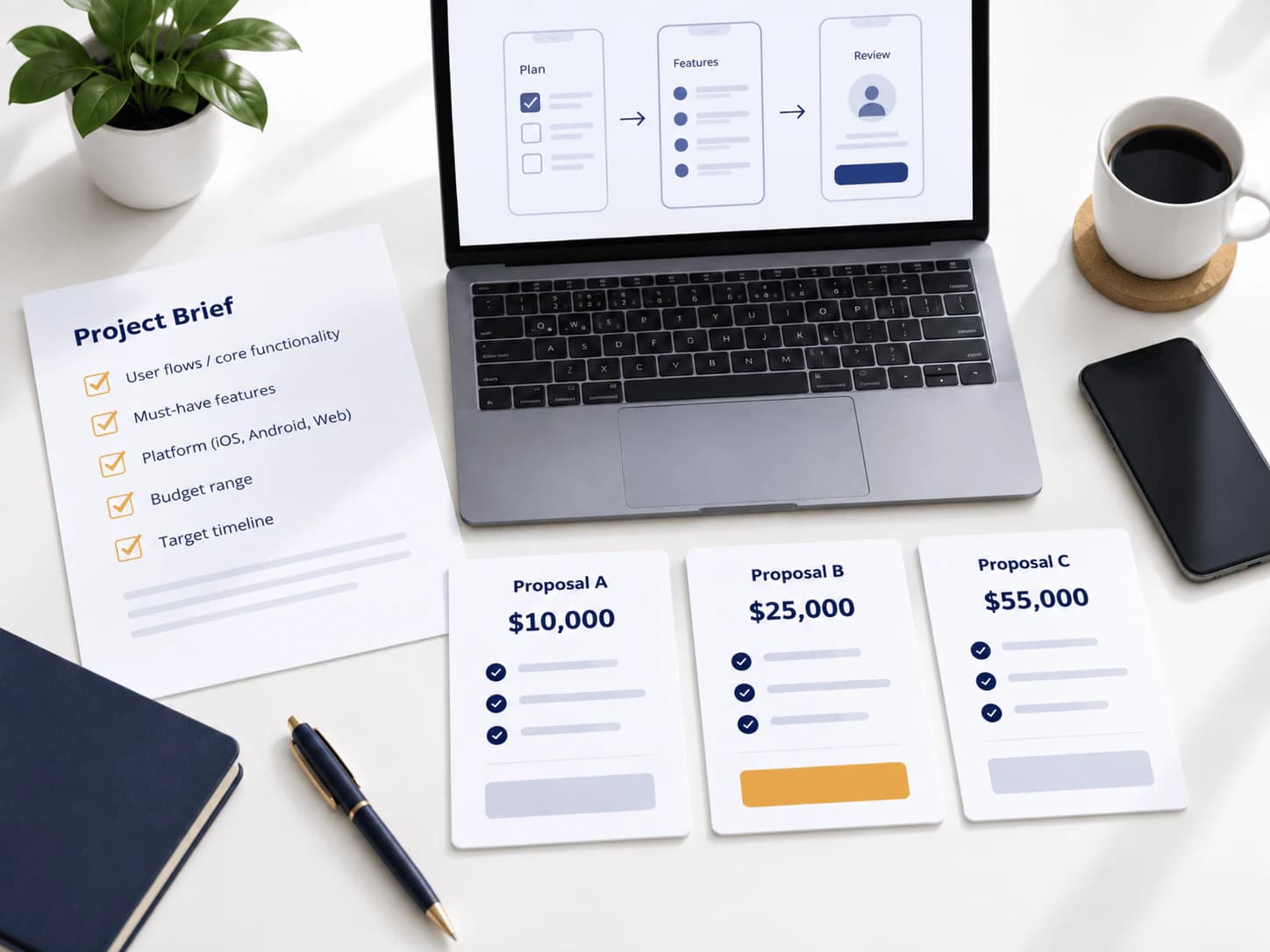
One of the biggest things that slows down an app project before it even starts is not having a clear, written description of what you want to build. Developers need more than a one-liner pitch. They need to know the screens, the user flows, the key features, and how different scenarios play out. Writing all of that used to require either a product manager or a lot of expensive back-and-forth with your dev team. Today, founders and small businesses are sitting down with an AI tool and simply talking through their idea. You describe who your users are, what problem you are solving, and how you imagine the app working, and the AI helps you turn that into a structured requirements document. It will not be perfect on the first pass. It will definitely recommend extra features that aren't necessary. But showing up to a developer with a clear written spec is a completely different conversation than showing up with a vague idea, and it costs you nothing but an afternoon.
Sketch It Before You Build It: AI-Assisted Wireframing and Prototyping
A wireframe is a basic blueprint of your app's screens, showing what goes where before anyone thinks about colors, fonts, or final polish. This doesn't mean you need to fully design the application. You are just giving general flow and guidance of how the app should navigate. Sharing one with your developer makes cost estimates more accurate and cuts down on expensive misunderstandings later. Tools like Figma and Claude Design now have built-in AI features that help you generate basic layouts from a text description. You are not designing the finished product here. You are building a shared picture of what you mean, so your developer is building the same thing you imagined. If you want to see what this looks like in practice, our prototype process gives you exactly that kind of shared starting point before any code gets written.
AI as Your Technical Translator
One of the most frustrating parts of building an app as a non-technical founder is feeling lost when the technical conversation starts. Your developer mentions APIs, sprint cycles, or backend architecture, and you nod along while quietly panicking. AI tools can close that gap. Before a meeting, paste the agenda or any terms you are unsure about into an AI tool and ask for a plain-language explanation. After the meeting, paste in your notes and ask what follow-up questions you should be raising. During an estimate review, describe what your developer is proposing and ask whether it sounds reasonable for the scope you described. You are not replacing your developer's expertise. You are showing up better prepared to make good decisions and to be a great client. We've become big fans at Founders Approach of the "Transcription" feature built inside of Google Meet.
Spot Problems Early: Using AI to Review Proposals and Contracts
Before you sign a contract with a development agency, you should understand what you are agreeing to. This is one of the most practical uses of AI that founders consistently overlook. Paste a proposal into an AI tool and ask it to explain the payment terms, who owns the code once it is built, how change requests are handled, and any clauses that could lead to unexpected costs. AI can help you spot vague language, missing milestones, or terms that shift risk onto you in ways you might not have noticed. For a solid starting checklist, our post on questions to ask before hiring an app developer is a great companion read before any developer conversation.
What AI Still Can't Do (And Why You Still Need a Real Dev Team)
It is easy to get excited about these tools and imagine you can skip hiring a developer altogether. For anything real, you cannot. AI tools can help you think, plan, and communicate, but they cannot make sound engineering decisions, manage a production app, or guarantee that what gets built is secure and scalable. They also have no accountability: if the output is wrong, there is no one to call. If your app gets hacked, you are the one responsible, not Claude. The founders who get the most out of AI are the ones who use it to be a better client, not to avoid the humans who actually have the proper knowledge to fully build, production ready software. If you are also thinking about whether AI features belong inside your app itself, that is a separate and equally important question. We covered it in our guide on whether to add AI to your app. The tools in this post are about making you a smarter, faster, more confident founder throughout the build process, and that is a completely different conversation.
Ready to Build Your App?
If you have an idea and you are ready to take the next step, we would love to hear about it. Reach out through our Contact Us page and let's talk about what you are building.